Baby Squirrel Season in the GTA: What July to September Means for Your Home
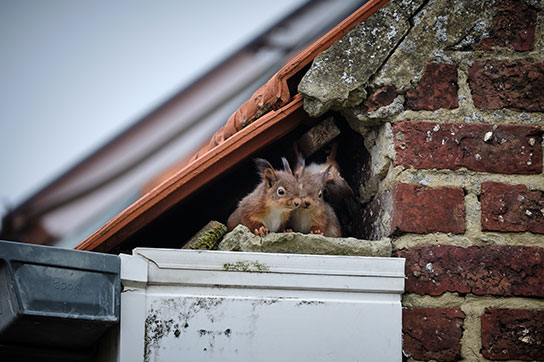
Most homeowners assume wildlife season winds down by late summer. For squirrels, it doesn’t. Across the Greater Toronto Area, July through September is the second baby season for eastern grey squirrels, and it’s one of the most common periods for attic noise, roofline damage, and squirrel-related calls.
If you’re hearing scratching above your ceiling, noticing chewing near a vent, or watching a squirrel repeatedly enter the same roofline gap, there’s a good chance a litter of young squirrels is involved. That changes how the problem needs to be handled.
At SWAT Wildlife, we provide squirrel removal services for homeowners across Toronto and the GTA. Late summer is one of the more sensitive removal periods of the year, and getting the timing right matters.
Why Squirrels Have a Second Baby Season
Squirrels don’t follow the same seasonal pattern as most wildlife. Eastern grey squirrels commonly breed twice a year, once in late winter and again in early summer.
The City of Mississauga confirms that squirrels are born between March and April and again in July and August. The Canadian Wildlife Federation identifies the same two breeding periods, noting a gestation period of roughly 40 to 44 days.
That puts the second litter’s arrival in July or August, with young squirrels growing through September. By late summer, this second litter is larger, more mobile, and more audible, which is often when homeowners first notice something is wrong.
This late-summer window also sits between two important transitions: the tail end of baby season and the beginning of fall denning activity. If the access point isn’t dealt with before temperatures drop, the same opening will continue drawing squirrels and potentially other wildlife into the colder months.
Why GTA Homes Are a Target
Squirrels are well-suited to urban and suburban life. Across the GTA, they have easy access to mature trees, fences, backyard food sources, ravines, and residential rooflines, everything they need to find shelter and raise young.
Homes become attractive when they offer warmth, protection from predators, and a reliable way in. Attics, roof vents, soffits, wall cavities, garages, and sheds all qualify. In older Toronto neighbourhoods, small construction gaps around fascia and rooflines are common. In suburban areas like Mississauga, Brampton, Vaughan, Markham, Richmond Hill, Oakville, Burlington, Pickering, Ajax, Whitby, and Oshawa, mature street trees and roof overhangs create natural access routes.
Squirrels don’t need a large opening. Once they identify a weak point, they chew and widen it until there’s room to enter. Finding that exact access point, and understanding why it was vulnerable, is one of the most important parts of any squirrel removal job.
For more detail on how squirrels get in, see our guide on how to identify squirrel entry points in Toronto homes.
Signs You May Have Squirrels in the Attic
Squirrel activity has a recognizable pattern. Unlike raccoons, which are heavier and mostly nocturnal, squirrels are active during the day, particularly in the morning and late afternoon.
Common signs include:
● Scratching or scurrying sounds during daytime hours
● Chewing near vents, soffits, or roofline edges
● Repeated movement concentrated in one area of the ceiling
● A squirrel entering or exiting the same gap consistently
● Damaged roof vents or displaced soffit panels
● Disturbed or compressed insulation
● High-pitched sounds from young squirrels
● Odour or droppings in attic spaces
By September, sounds may become more noticeable as the second litter grows larger and more active. What started as faint scratching can become regular movement that’s easy to hear from below.
Why Baby Squirrels Change the Removal Approach
A squirrel in the attic is rarely alone during baby season. Young squirrels may be tucked into insulation, behind structural materials, or inside a tight roof void, hidden well enough that they aren’t obvious from outside the home.
Toronto Wildlife Centre advises that squirrels living in an attic between February and October should be treated carefully, as a mother squirrel may have babies present. They also note that baby squirrels become independent at around 12 weeks, at which point they begin to disperse from the nest.
That 12-week timeline is why September remains a sensitive month. Sealing an entry point while young are still inside can trap them, cause the mother to create new damage trying to get back in, and leave the homeowner with a worse situation than before. Removing the mother without locating the babies creates a separate problem, with odour, contamination, and insect activity following as a result.
Proper removal during this period isn’t just about getting the squirrel out. It’s about understanding what stage the situation is in before deciding how to proceed.
One-Way Doors: Effective, But Only With the Right Timing
One-way doors are a standard tool in humane squirrel exclusion. They allow an animal to exit through the access point but prevent re-entry. When used correctly, they’re an effective part of the removal process. During baby season, they need to be used carefully. If young squirrels aren’t yet mobile enough to follow the mother out, a one-way door can separate the family and create the same problems as a premature seal-up.
A proper inspection should always come before any exclusion device is installed. The goal is to confirm whether young are present, assess how mobile they are, and choose a method that resolves the situation without causing additional damage inside the home.
Why DIY Removal Often Falls Short
Blocking the visible hole is usually the first thing homeowners try. It’s also one of the more common reasons squirrel problems drag on longer than they should.
DIY removal frequently misses:
● Baby squirrels still inside the structure
● Secondary access points the squirrel switches to after the first is blocked
● The need to reinforce, not just patch, the entry area
● Nesting material and contamination left behind
● Scent trails that continue attracting squirrels to the same spot
There are also legal considerations. Mississauga’s wildlife guidance states that healthy squirrels should not be trapped and relocated, and that relocation is illegal in Ontario. The City of Toronto advises homeowners not to grab, corner, or net squirrels, and recommends contacting a professional removal company when squirrels are living in an attic.
If squirrels are in the home, the safest step is a proper inspection before anything is sealed or blocked.
What Squirrels Can Damage Inside a Home
Once squirrels are inside, the damage tends to grow the longer they stay.
Common issues include:
● Chewed roof vents and soffit panels
● Torn or compressed attic insulation
● Nesting debris accumulating in attic spaces
● Chewed wood, plastic, and other structural materials
● Odour and contamination from waste
● Potential interference with ventilation pathways
In some cases, insulation removal and attic cleanup are needed before the space is usable again. The access point also needs to be properly reinforced, not just patched, so the same gap doesn’t attract another squirrel heading into fall.
Where Late-Summer Squirrel Activity Is Common Across the GTA
Squirrels are active throughout the GTA, but certain areas and property types see more frequent attic and roofline issues.
In Toronto, older homes in East York, Scarborough, North York, Etobicoke, The Beaches, High Park, Roncesvalles, Leslieville, Riverdale, and Midtown tend to have mature trees and aging rooflines that create easy access. In Mississauga and Brampton, larger suburban lots with mature street trees and garage rooflines are common problem areas. In Vaughan, Richmond Hill, and Markham, established residential pockets near parks and green corridors see consistent squirrel pressure through backyards and rooflines. Across Durham Region, including Pickering, Ajax, Whitby, and Oshawa, homes near ravines and wooded areas may see recurring activity. In Halton, including Oakville and Burlington, mature treed lots create similar conditions.
For homeowners searching for squirrel removal in Toronto, the building style and roofline vulnerabilities may differ from a suburban home in Vaughan or Burlington, but the warning signs are consistent across all of them.
How SWAT Wildlife Handles Late-Summer Squirrel Removal
Every squirrel job at SWAT Wildlife starts with a thorough inspection. Before anything is sealed or installed, we identify the active entry point, check for secondary vulnerabilities, and determine whether young squirrels may still be present.
From there, the process may include:
1. Identifying all active and potential entry points across the roofline
2. Assessing whether baby squirrels are present and how mobile they are
3. Applying humane removal methods appropriate to the stage of the season
4. Installing one-way doors when timing allows
5. Sealing and structurally reinforcing access points
6. Recommending attic cleanup or insulation work where contamination has occurred
Because every property is different, the approach is built around the specific home. For full details on what we offer, visit our squirrel removal services page or our general wildlife removal services page.
Steps Homeowners Can Take to Reduce Squirrel Activity
Once squirrels are inside the structure, professional removal is the right call. Homeowners can also reduce the likelihood of attracting them in the first place:
● Trim tree branches that overhang or touch the roofline
● Secure and inspect roof vents and attic vents regularly
● Repair loose soffits and fascia promptly
● Move bird feeders away from the home
● Clean up fallen fruit, nuts, and seed from the yard
● Inspect the roofline after wind or storm events
● Cap chimneys where appropriate
● Keep sheds, garages, and crawlspaces properly sealed
Small maintenance gaps that look minor from the ground can be exactly what a squirrel needs to get started on a nesting site.
Frequently Asked Questions
When is squirrel baby season in Ontario?
Squirrels have two breeding seasons, one in late winter and one in early summer. In the GTA, the second litter typically arrives in July or August, with young squirrels remaining active through September.
Why am I hearing squirrels in September?
Young squirrels from the summer litter are larger and more mobile by September. If they were born inside an attic or roof void, their movement becomes more audible as they grow and start exploring.
What does a squirrel in the attic sound like?
Scratching, scurrying, chewing, or light running, usually during the day, with peak activity in the morning and late afternoon.
Should I seal the hole if squirrels are in my attic?
Not without an inspection first. During baby season, sealing an entry point too early can trap young squirrels inside or separate them from the mother, making the situation worse.
Are one-way doors safe during baby season?
They can be, but only after confirming that young squirrels are mobile enough to leave on their own. An assessment should come before any exclusion device is installed.
Do squirrels damage attic insulation?
Yes. Squirrels disturb, compress, and contaminate insulation. They also chew structural materials, vents, soffits, and fascia during the denning process.
Who should I call for squirrel removal in the GTA?
Contact a professional wildlife removal company with experience in squirrel baby season, humane exclusion methods, and GTA-area properties.
Hearing Squirrels in Your Attic? Here’s What to Do Next
Late summer squirrel activity in the GTA isn’t something to wait out. By September, a roofline gap that’s been open since July may already involve a litter of young squirrels, nesting debris, and chewing damage that will carry into fall if it’s left alone. SWAT Wildlife provides humane squirrel removal across Toronto and the GTA, with the inspection, timing, and experience to handle late-season situations properly.
If you’re hearing attic noises, seeing squirrels at your roofline, or noticing damage around vents or soffits, don’t wait. Request a quote today and get a clear assessment before the problem carries into fall. Book your inspection today and get clear answers before the problem escalates. 1(833)902-7928.