Baby Season: A Homeowner’s Guide to Wildlife in Ontario
BABY SEASON
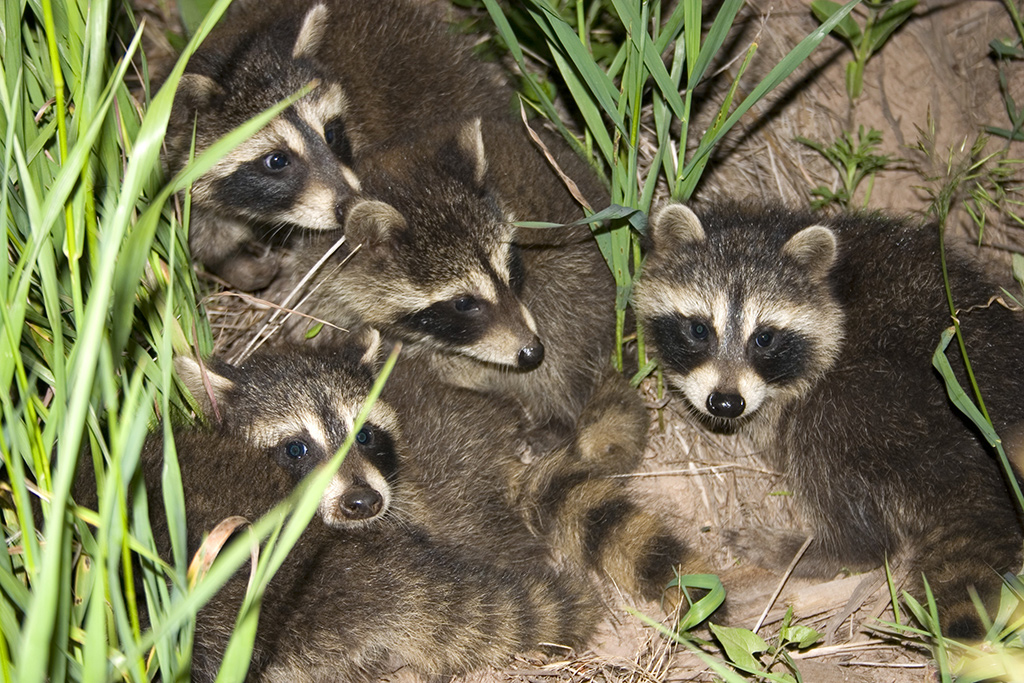
Every spring, homeowners across Ontario begin hearing unusual sounds in their attic, walls, or ceilings. What starts as light scratching or chirping often turns out to be something more serious. In many cases, it’s not a single animal. It’s a mother that has already nested and given birth inside the home.
At SWAT Wildlife, this is one of the busiest times of year. The earlier the issue is identified, the easier it is to resolve without added damage or cost.
Why “Baby Season” is a Critical Time for Homeowners
In the Greater Toronto Area (GTA), wildlife has adapted to urban sprawl by viewing residential homes as “natural” rock formations or hollow trees. When a female animal is pregnant, her instinct is to find a climate-controlled, predator-free environment. Your attic, which stays warm even during a late Ontario frost, is the ultimate nursery.
WHEN BABY SEASON HAPPENS
Baby wildlife season in Ontario typically runs from early spring into mid-summer. Most species begin nesting between March and May, depending on weather and food availability.
During this time, animals are actively looking for safe, enclosed spaces to raise their young. Attics, soffits, and wall cavities provide ideal conditions, which is why homes become a common target. Properties near ravines, parks, or older roof structures tend to see higher activity.
The Timeline of Urban Wildlife Breeding
- Early March: Raccoons and squirrels begin scouting for dens.
- April – May: Peak birthing month for most Ontario mammals.
- June – July: Juveniles begin moving, often causing the most noise as they learn to navigate your walls.
COMMON ANIMALS THAT NEST IN HOMES
RACCOONS
Raccoon Removal Services Raccoons are one of the most common attic intruders. They give birth between March and May and will break into roofing or vents to create a den. If disturbed, the mother may relocate her young multiple times, which often leads to repeated entry points and increased damage.
SEO Tip: The Risk of Damage Raccoons are incredibly strong. They can tear through heavy-gauge wire mesh and lift shingles with ease. Beyond the structural damage, raccoon latrines (waste areas) pose significant health risks, including Raccoon Roundworm (Baylisascaris procyonis), which can be hazardous to pets and children.
SQUIRRELS
Squirrel Removal Services Squirrels have two breeding seasons, with the first in early spring. They enter through small gaps and build nests using insulation. This nesting can reduce insulation effectiveness and, in some cases, lead to damage around wiring or vents.
The Fire Hazard Factor A major concern with squirrels in Ontario homes is their need to chew. To keep their teeth sharp, they often gnaw on electrical wiring. This is a leading cause of “mysterious” house fires and is why immediate removal is essential during baby season.
SKUNKS
Skunk Removal Services Skunks typically nest under decks or sheds. While less destructive structurally, they can create persistent odour issues, especially if the den is disturbed.
THE SWAT WILDLIFE HUMANE REMOVAL PROCESS
We believe in a “No Animal Left Behind” policy. During baby season, removal isn’t as simple as sealing a hole. If a mother is locked out and her babies are left inside, she will cause massive damage to your roof trying to get back in.
- Hands-on Inspection: We physically locate the nest and the litter.
- The “Baby Box” Method: We place the young in a heated, weather-protected box near the entry point.
- The Reunion: The mother, seeing her young are safe, will relocate them one by one to a secondary pre-established den nearby.
- Proofing: We seal the entry point with heavy-duty materials to prevent future “tenants.”
SIGNS YOU MAY HAVE BABY ANIMALS
During baby season, the type of sound is often the clearest indicator. LOOK FOR:
- Soft chirping or squeaking: (Often mistaken for birds, but coming from the ceiling).
- Light, localized scratching: This indicates young animals moving within the nest.
- Activity at dawn or dusk: When mothers leave to forage or return to feed.
- Damage near rooflines or vents: Look for bent aluminum or displaced shingles.
This process is designed to eliminate the current problem and reduce the chances of it happening again. If you have an attic and are hearing sounds, we are here to help!
Expert Resource: We have further details on Identifying Animal Noises in the Attic here.
SWAT WILDLIFE – HUMANE REMOVAL ACROSS ONTARIO
Hearing Noises in Your Home Right Now?
If you’re hearing scratching, chirping, or movement in your attic or walls, there’s a strong chance animals have already nested inside. During baby season, waiting even a few days can lead to:
- Increased structural damage: Mothers expanding the nest.
- Larger nesting areas: Compromising your home’s R-value (insulation).
- Odour and contamination issues: Urine and feces soaking into drywall.
- Higher repair costs: The longer they stay, the more it costs to clean.
The sooner the issue is assessed, the easier it is to resolve safely. SWAT Wildlife provides fast, humane inspections across Toronto and the GTA, including North York, Scarborough, Etobicoke, and Mississauga.
👉 Book your inspection today and get clear answers before the problem escalates.