Raccoon Removal in Hamilton, Ontario: What Homeowners Need to Know
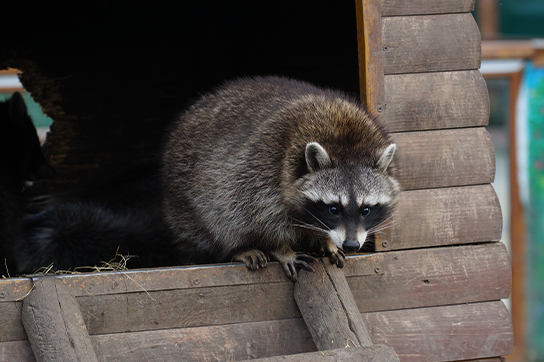
Raccoons are one of the most consistent wildlife concerns for homeowners across Hamilton, Ontario. The city’s combination of mature neighbourhoods, ravine systems, Niagara Escarpment access, older housing stock, and dense residential streets gives raccoons exactly what they need: reliable food sources, natural travel corridors, and plenty of structural weak points to exploit.
For most homeowners, the problem starts quietly. A tipped garbage bin. Scratching sounds above the ceiling at night. Damage near a soffit or roof vent. By the time these signs are noticed, a raccoon may already be using the property as a regular den site, and in spring, that can mean a family of them.
Searches for raccoons in attic Hamilton often come from homeowners who are already hearing nighttime movement, seeing roofline damage, or noticing signs that an animal has found a way inside.
At SWAT Wildlife, we provide raccoon removal in Hamilton for homeowners dealing with attic entry, roof damage, baby raccoons, waste contamination, and repeat wildlife activity. Because Hamilton is a geographically diverse city, the wildlife pressures vary significantly from one neighbourhood to the next. Understanding why raccoon activity is so common here can help homeowners act early and avoid a manageable wildlife issue turning into roof damage, attic contamination, or repeat entry.
Why Hamilton Is a High-Activity Area for Raccoons
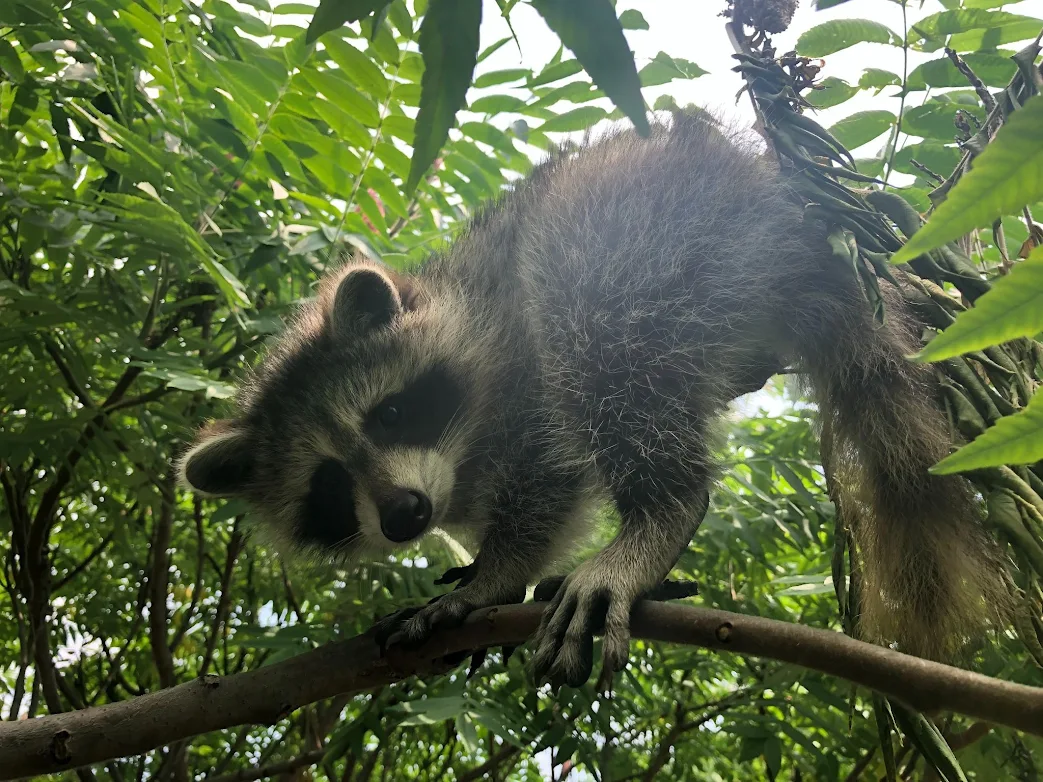
Hamilton’s geography is a significant factor in how often raccoons interact with residential properties. The city sits where dense urban neighbourhoods, the Niagara Escarpment, creek systems, ravines, and industrial corridors all meet. These environments create natural movement routes that bring raccoons directly into residential areas, and once they arrive, there’s rarely a shortage of food or shelter.
Raccoons are highly adaptable animals. In Hamilton neighbourhoods, they navigate fences, mature trees, garage rooftops, and backyards with ease, often without needing to travel far. Unsecured garbage bins, compost, bird feeders, pet food left outdoors, and accessible waste areas all make properties more attractive. The City of Hamilton advises residents to reduce wildlife attractants by securing food sources and avoiding feeding wildlife, practical guidance that applies across the city.
For Hamilton homeowners, prevention often starts at the property line, but the real risk is at the roofline.
Why Raccoons Target Hamilton Homes
Raccoons don’t enter homes by chance. They look for warm, protected, elevated spaces where they can rest, avoid predators, or raise young. Attics are a frequent target because they offer exactly that kind of shelter while keeping raccoons close to the food sources they’ve already identified in the neighbourhood.
Hamilton’s older housing stock adds to the risk. In established neighbourhoods like Crown Point, Lower Hamilton, East Hamilton, and parts of the Mountain, decades of weather, aging materials, and previous repairs can leave behind subtle weak points: a loose soffit panel, a deteriorating roof vent, or a gap near an addition. Raccoons don’t need a large opening. Once they identify a vulnerable spot, they can pull, tear, and widen it until there’s room to enter.
Common entry points include:
- Roof vents and attic vents
- Damaged or loose soffits and fascia
- Chimneys without caps
- Gaps under roof overhangs
- Weak points around older additions
- Areas previously damaged by other animals or weather
This is also why quick patch jobs often fall short. If the underlying structural weakness isn’t properly reinforced, raccoons are likely to return and reopen the same area.
Signs of Raccoons in a Hamilton Attic
Raccoons are heavier than most animals that enter homes, and they’re not subtle about it. Homeowners often describe the sounds as thumping, dragging, or heavy footsteps, usually at night or in the early morning hours.
Common signs to watch for include:
- Heavy thumping or movement sounds above the ceiling
- Scratching inside walls or near roof areas
- Torn or displaced shingles, soffits, or vents
- Droppings near attic access points or the roofline
- Damaged or compressed insulation
- Strong odours from waste or nesting material
- Consistent garbage disruption outside the home
During baby season, homeowners may also hear softer chirping or crying sounds from young raccoons in the attic or an enclosed wall cavity. If those sounds are present, the situation needs to be assessed carefully before any entry points are sealed, since sealing too early can create a more serious problem.
Baby Raccoon Season and Why Timing Matters
Spring is one of the busiest periods for raccoon removal in Hamilton. Female raccoons actively seek safe, enclosed den sites to give birth, and attics, chimneys, and roof voids are ideal candidates. They’re warm, hidden, and protected from weather and predators.
This is where many DIY attempts run into trouble. Sealing an entry point while young raccoons are still inside can cause the mother to create significant damage trying to get back in. Removing the mother without addressing the babies leaves behind a contamination and odour problem that worsens over time.
Effective raccoon removal in Hamilton during this period requires inspection, an understanding of raccoon behaviour, and the right timing, not guesswork. A proper response accounts for whether a family unit is present and ensures the situation is resolved safely and humanely for all involved.
Raccoon Rabies in Hamilton: What Homeowners Should Know
Hamilton has a documented history with raccoon-strain rabies, which makes public health awareness a relevant part of any raccoon issue in the city. The City of Hamilton tracks and reports positive rabies results in local wildlife, and raccoon-strain rabies has been confirmed in raccoons and skunks across various reporting areas within the city. For current local data and guidance on rabies concerns in Hamilton, the City of Hamilton’s public health page is the most reliable reference. Ontario’s rabies information page also provides broader provincial context on common carriers, including raccoons, bats, foxes, and skunks.
This doesn’t mean every raccoon poses a health risk, but it does mean that homeowners should avoid direct contact with raccoons, droppings, or nesting material. Any raccoon that appears disoriented, aggressive, or unusually approachable should be reported. If there has been any potential exposure, such as a bite, scratch, or direct contact, residents should contact Hamilton Public Health for guidance.
Raccoon Activity by Hamilton Neighbourhood
Raccoon activity is spread across Hamilton, but certain areas experience more frequent issues because of the surrounding environment, housing age, and proximity to green space or wildlife corridors.
Homeowners in Dundas and Ancaster often deal with raccoons moving in from wooded edges and ravine systems. Properties in Stoney Creek face pressure from both escarpment access and mature residential trees. Lower Hamilton, East Hamilton, and Crown Point see frequent attic and roofline issues tied to the age and condition of the housing stock in those areas. On the Mountain, both older subdivisions and newer builds can be affected depending on proximity to green corridors and park edges. Flamborough and Glanbrook properties, with their mix of rural and residential settings, encounter raccoons as a routine part of the landscape.
Whatever the neighbourhood, the combination of food availability and structural access determines how likely raccoons are to settle in.
Why DIY Raccoon Removal Often Falls Short
Raccoons are strong, persistent, and not easily discouraged by noise deterrents, lights, repellent sprays, or basic patch work. Homeowners who attempt to solve the problem by blocking a visible hole frequently find that the raccoon returns, sometimes through the same spot, sometimes through a new one.
DIY removal commonly misses several key factors:
- The raccoon is still inside when the entry point is sealed
- Baby raccoons are present but undetected
- Multiple entry points exist beyond the obvious one
- The patch isn’t structurally reinforced
- Scent trails and attractants around the property remain
- Contaminated insulation or waste is left behind
A raccoon that has already established a den in an attic may continue returning to that site unless the structural issue is fully resolved and the scent is addressed. That’s why long-term prevention is just as important as the removal itself.
How SWAT Wildlife Approaches Raccoon Removal in Hamilton
At SWAT Wildlife, every raccoon job begins with a thorough inspection. We identify how the animal entered, whether young are present, the extent of any damage or contamination, and which other areas of the roofline could become future entry points.
From there, the process may include one-way door systems, baby removal and reunite procedures where applicable, structural reinforcement of entry points, and cleanup recommendations for contaminated attic material. The approach is always humane and designed to prevent the same issue from recurring.
Because Hamilton homes vary considerably, from century-old properties in the lower city to newer builds in Ancaster, Stoney Creek, and Glanbrook, each job is assessed based on the specific property and its vulnerabilities. For a full overview of what we offer across the region, visit our wildlife removal services in Hamilton page.
Practical Steps to Reduce Raccoon Activity on Your Property
While professional removal is necessary once raccoons have entered a structure, homeowners can take steps to make their properties less attractive in the first place:
- Secure garbage and compost bins with locking lids
- Avoid leaving pet food or bird seed accessible outdoors
- Remove fallen fruit and food scraps from the yard
- Trim branches that hang over or near the roofline
- Repair damaged soffits, fascia, and roof vents promptly
- Cap chimneys if they are currently open
- Inspect the roofline after storms or high winds
- Keep sheds, decks, and crawlspaces properly sealed
These measures reduce the likelihood of raccoons choosing your property, but they are not a substitute for professional removal if animals have already entered the home.
Frequently Asked Questions About Raccoons in Hamilton
Are raccoons common in Hamilton, Ontario?
Yes. Hamilton’s ravines, escarpment access, mature trees, older homes, and dense neighbourhoods create ideal conditions for raccoons to find food and shelter.
What does a raccoon in the attic sound like?
Raccoons often sound like heavy footsteps, thumping, dragging, or scratching above the ceiling, especially at night or early in the morning.
Should I seal the hole if I think raccoons are inside?
No. Sealing an entry point before confirming whether raccoons or babies are inside can make the problem worse and may lead to damage, odour, or contamination.
Who should I call for raccoon removal in Hamilton?
Homeowners dealing with attic noise, roofline damage, or repeated raccoon activity should contact a professional wildlife removal company that can inspect, remove, and seal the entry points properly.
Ready to Resolve a Raccoon Problem in Hamilton?
Raccoon issues in Hamilton are rarely just a nuisance. They’re tied to the city’s geography, housing age, wildlife corridors, and public health context. Effective removal means more than getting the animal out. It means identifying how it got in, addressing any young that may be present, and making sure the problem doesn’t return.
If you’re hearing thumping in your attic, noticing roofline or soffit damage, or seeing repeated raccoon activity around your property, don’t wait for the situation to escalate.
Contact SWAT Wildlife to request a quote and get a proper inspection from a team that understands Hamilton’s raccoon problems, neighbourhoods, and roofline vulnerabilities.
👉 Book your inspection today and get clear answers before the problem escalates.
1(833)902-7928.