Bat Maternity Season in Ontario: What Homeowners Need to Know
BABY SEASON
As spring arrives across Ontario, wildlife activity begins to increase, and bats are no exception. Homeowners may start to notice bats flying near their roofline at dusk or hear faint sounds coming from the attic or walls. This is one of the most common times of year people reach out for professional wildlife removal services.
During this time of year, bat activity is often tied to maternity season. In many cases, a bat inside the home is not alone, but part of a small colony preparing to raise young.
At SWAT Wildlife, spring brings a steady increase in bat-related calls. Understanding what maternity season means can help homeowners avoid common mistakes that lead to larger problems.
Why Bat Maternity Season Is Different From Other Wildlife
Bat maternity season in Ontario doesn’t follow the same patterns as animals like raccoons or squirrels. While many species raise multiple young and move frequently, bats rely on stable, long-term roosting sites and produce very few offspring.
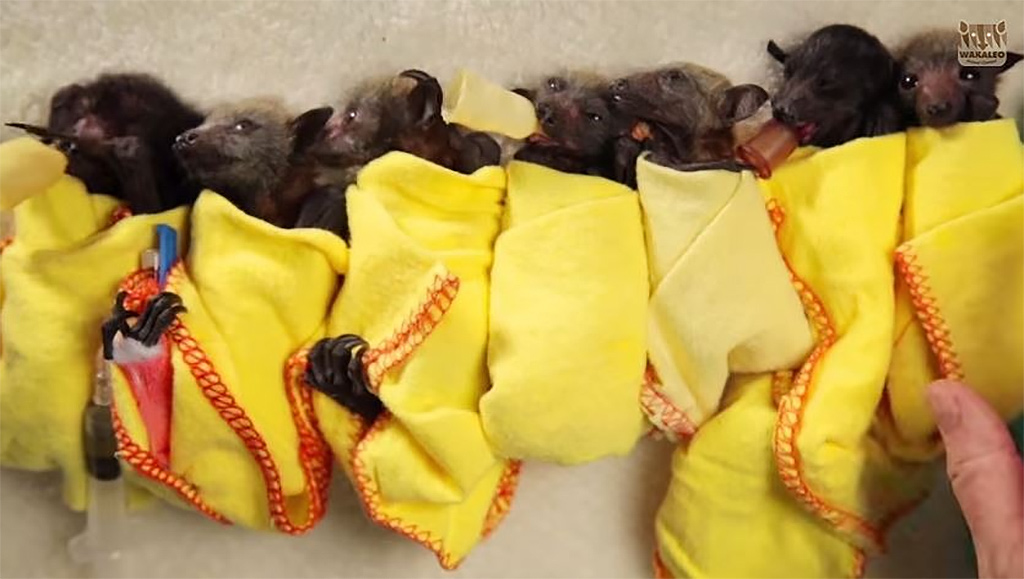
Most bat species give birth to only one pup per year, and that pup is completely dependent on the mother for several weeks. During this time, the young are unable to fly or relocate, which makes any disturbance to the roost much more sensitive.
Because of this, bat colonies tend to remain in the same location for extended periods, especially if the environment stays undisturbed. Attics and wall cavities provide the warmth and stability they need, which is why bats often return to the same structure year after year.
This behavior makes timing a critical factor. Unlike other wildlife, where removal can sometimes happen quickly, bat removal during maternity season requires a more controlled approach to avoid creating additional problems inside the home.
Why Bats Choose Homes in the Spring
Bats are highly selective about where they establish a roost. They look for spaces that provide:
● Consistent warmth
● Protection from predators
● Minimal disturbance
● Access through small openings
Homes naturally provide these conditions, especially along rooflines, vents, and soffits where small gaps may exist.
Once bats identify a suitable location, they are likely to return to it in future seasons if the entry point remains accessible. This is why long-term prevention is just as important as removal.
For a broader look at bat behaviour, see our blog on The Wild Mysterious Bat Behavior and Habits.
How Bat Colonies From Inside Homes
During maternity season, female bats gather in groups to form what are known as nursery colonies. These colonies are typically hidden in tight, undisturbed areas such as attic beams, roof voids, or wall cavities.
Unlike other animals, bats do not build visible nests. Instead, they cluster together in protected spaces, which allows them to retain heat and protect their young.
Because these colonies are often concealed, homeowners may not realize how many bats are present until activity increases or signs become more noticeable.
Signs You May Have Bats During Maternity Season
Bat activity is often subtle, especially compared to other wildlife.
Common signs include:
● Bats flying near the roofline at dusk
● Light, localized movement in the attic
● Faint squeaking or chirping sounds
● Small droppings (guano) near entry points
● Dark staining around roof gaps or vents
The presence of high-pitched sounds is often a strong indicator that young bats are present inside the structure.
What Those Sounds Actually Mean
Homeowners often describe bat activity as faint tapping, clicking, or chirping. These sounds are usually tied to:
● Young bats vocalizing when the mother leaves to feed
● Movement within a confined roosting area
● Bats shifting position within tight structural spaces
Because bats are quiet by nature, these sounds can be mistaken for minor issues and ignored until the colony becomes more established.
Why Timing Matters for Bat Removal
Timing is one of the most important factors when dealing with bats during maternity season.
Because young bats cannot fly for several weeks, sealing entry points too early can trap them inside. This can lead to:
● Odour issues from trapped animals
● Contamination within the attic
● Increased cleanup and restoration costs
There are also legal considerations. Many bat species are protected during maternity season, and removal must follow guidelines to avoid harming the animals. For more information, refer to Ontario Ministry of Natural Resources and Forestry.
Why DIY Removal Can Create Bigger Problems
Attempting to remove bats without understanding their behaviour can make the situation worse.
Sealing entry points, using repellents, or trying to disturb the colony often leads to incomplete results. In some cases, bats will relocate deeper into the structure or create new access points.
Improper handling can also introduce health risks. Bat droppings can accumulate over time, and exposure in enclosed areas may impact air quality. For more on these risks, see Ontario Wildlife Diseases.
How SWAT Wildlife Handles Bat Maternity Season
At SWAT Wildlife, bat removal during maternity season is handled with a focus on timing, safety, and long-term prevention.
Our process includes:
1. Inspection to identify entry points and activity
2. Assessment of whether young bats are present
3. Planning removal around safe and appropriate timing
4. Installation of one-way doors when conditions allow
5. Sealing and reinforcement to prevent re-entry
This approach ensures the issue is resolved properly without creating additional risks. You can also read more in our guide on How to Remove Bats.
Long-Term Risks of Ignoring Bat Activity
If left unaddressed, bat activity can lead to long-term issues within the home.
Guano accumulation can affect insulation and create persistent odours, while repeated seasonal use increases the likelihood of recurring infestations.
Because bats often return to the same roosting sites, leaving entry points open can result in ongoing problems year after year.
When to Call a Professional
If you’re noticing bat activity in or around your home, it’s best to have the situation assessed early.
During maternity season, both timing and method matter. Acting too quickly or waiting too long can lead to complications that are more difficult to resolve.
A proper inspection can determine the safest and most effective next steps.
SWAT Wildlife – Humane Bat Removal Across Ontario
SWAT Wildlife provides professional bat removal services across Ontario, focusing on safe, humane solutions that follow wildlife regulations and prevent repeat issues.
If you suspect bat activity in your home this spring, contact our team to request a quote and get clear, experienced guidance on next steps.
SWAT Wildlife provides fast, humane inspections across Toronto and the GTA.
Book your inspection today and get clear answers before the problem escalates. 1(833)902-7928.