How to Insulate an Attic Roof Rafters to Keep Out Wildlife
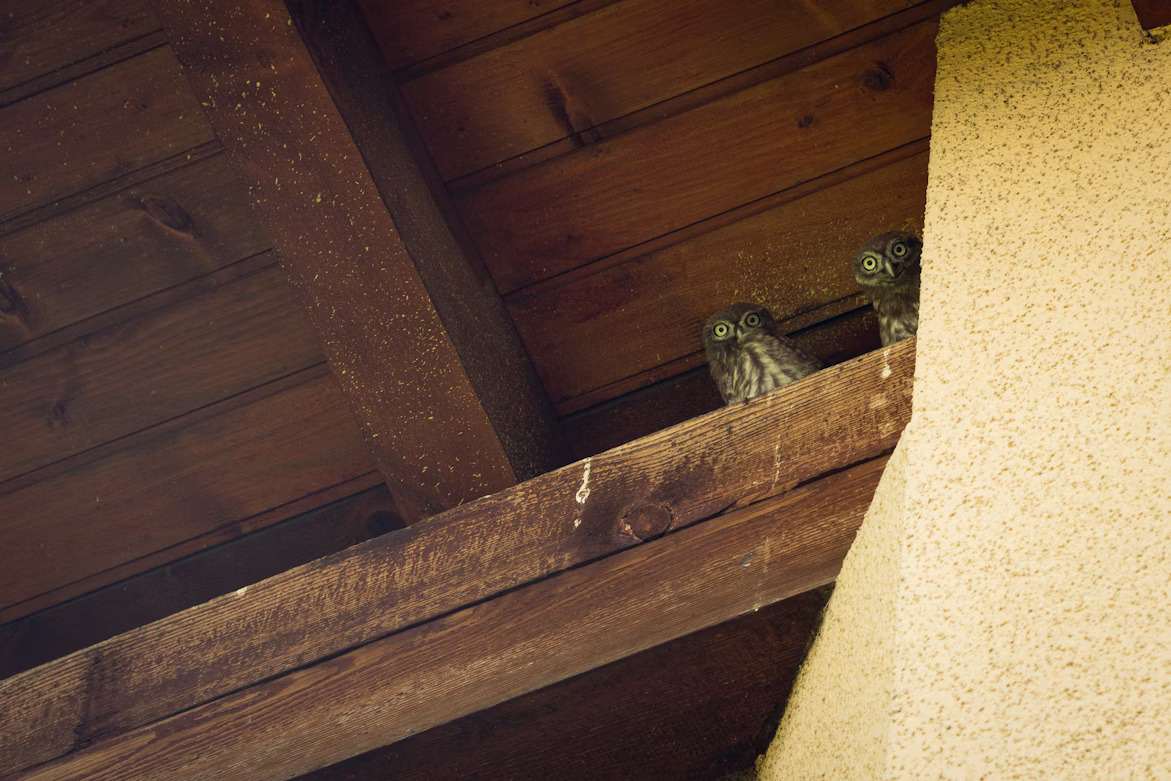
In Toronto and nearby municipalities, wildlife in attics is a documented and recurring issue which is why it’s important to take steps to protect your home and lawn from wildlife, regardless of if you live in an urban environment like Toronto, or in the rural greater area. Once inside, animals may disturb insulation, leave debris near access points like the attic hatch, and create noise within the roof structure, especially during active periods such as dusk and dawn.
SWAT Wildlife provides humane removal of animals from attic spaces, followed by repair and prevention work that addresses those entry conditions. After the wildlife is safely removed, technicians can assess the attic for insulation that has been pulled aside, compressed, or contaminated, and advise whether targeted repair or more extensive attic insulation work is appropriate. As part of the service, SWAT Wildlife seals identified entry points, recommends or installs roofline and vent screening where required, and coordinates insulation top-ups or remediation so the attic is better protected against future wildlife activity and more consistent indoor temperatures.
How to do Attic Roof Rafter Insulation to Keep Out Pests
Seal gaps before you insulate
Small openings along roof sheathing or exterior walls often let raccoons or squirrels into the attic floor, and until those gaps are closed, insulation installed won’t hold its shape. Proper repairs create a stable air seal and reduce air leakage through the roof structure. Once the paths are closed, you can install insulation material with confidence.
Choose insulation that suits the space
Insulation choice for insulating attic roof rafters affects both energy performance and how easily the material can be disturbed by wildlife activity. Spray foam insulation forms a dense, bonded layer on the rafters; closed-cell spray foam also adds noticeable rigidity to the framing it adheres to. Fiberglass batt insulation, blown-in fiberglass, blown-in cellulose, mineral wool, and blanket insulation are typically used where soffit vents and roof vents are protected with proper screening, so animals cannot pull or push the material aside. Rigid foam insulation, or foam board, can be installed over or between rafters to strengthen weak cavities, improve thermal resistance at thin spots, and create a more continuous insulated surface that is harder for animals to access or displace.
Keep ventilation paths open
In a vented attic or vented roof assembly, the insulation should not be packed tightly against the roof sheathing. A clear air gap is needed between the roof deck and the top of the insulation so outside air can move through the rafter space. Vent baffles (also called chutes) are installed to keep this channel open from the soffit vents up toward the ridge or roof vents, which helps limit moisture buildup, wood decay, and ice dam formation.
Protect Your Home With SWAT Wildlife
Insulating roof rafters helps when the attic roof is tied to a living space or when heat loss is a concern. In storage attics, the attic floor might be the priority instead. Wildlife activity changes the plan quickly. Once animals have been inside, sealing and cleanup come first.SWAT Wildlife handles attic cleanup, rafter repairs, and full Attic Insulation upgrades after contamination. Our Attic Infestation Services address damaged insulation and disrupted airflow. For removal, repairs, and prevention, we offer a full suite of animal removal services.